
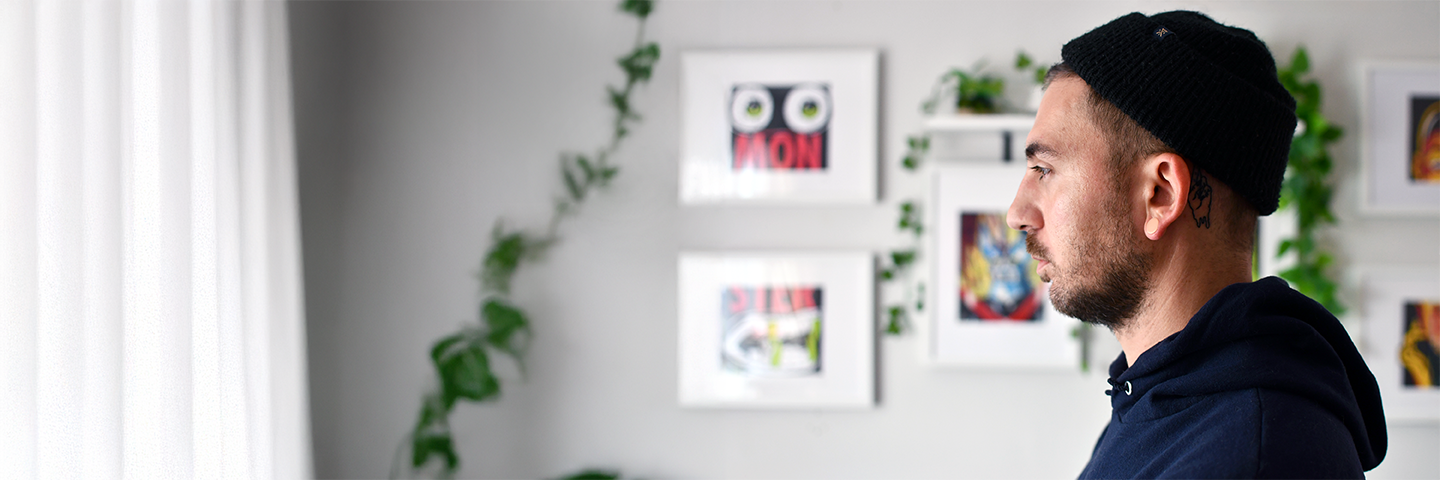
15+ years developing products, design systems, and creative culture
Max has spent his career designing and developing exciting technologies and bringing new products to market used by millions — specializing in foundational systems design, creating the building blocks for teams to create and grow. “I believe the future is open source – community drives creativity and empowers mastery.”
-
Lead of UI/UX product design (Siri) rolling out the modernized OS and macOS-level design system behind native search: Siri and Spotlight, and extended across Apple Music and Apple TV — later joining the Apple Music Production team — and partnering with Marcom's marketing team on go-to-market.
-
Sr UX designer and design-system librarian for YouTube's Material Design system — expanding it to support the platform-wide move to live streaming and its full suite of live creation tools. Later promoted to interaction design leading Live Chat integrations hardware opportunities, live ads, with close collaborations with the art department.
-
Founding product designer for the AI-native cloud — Together AI. Built the first and later modernized UI/UX design system, carrying early services from conception to ship, later shifting focus to brand affinity and GTM efforts.
-
Independent 3D artist and creative technologist, building physics experiments, playable games, and product concepts across desktop, AR, and VR.
A foundations designer perfectly positioned between the front and back ends
The role has always followed the same core discipline — sit at the intersection of product and engineering, and build the systems that let both move fast without breaking the experience. A technical background in web development helps shape the process directly, making it possible to design within real constraints rather than around them.
The work is defined by scale rather than screens — templates, component libraries, and shared standards built to outlast any one project. That responsibility extends through go-to-market: launch materials, sales enablement, and the metrics that follow a product after release.
Evolution of Modernized IxD, WWDC
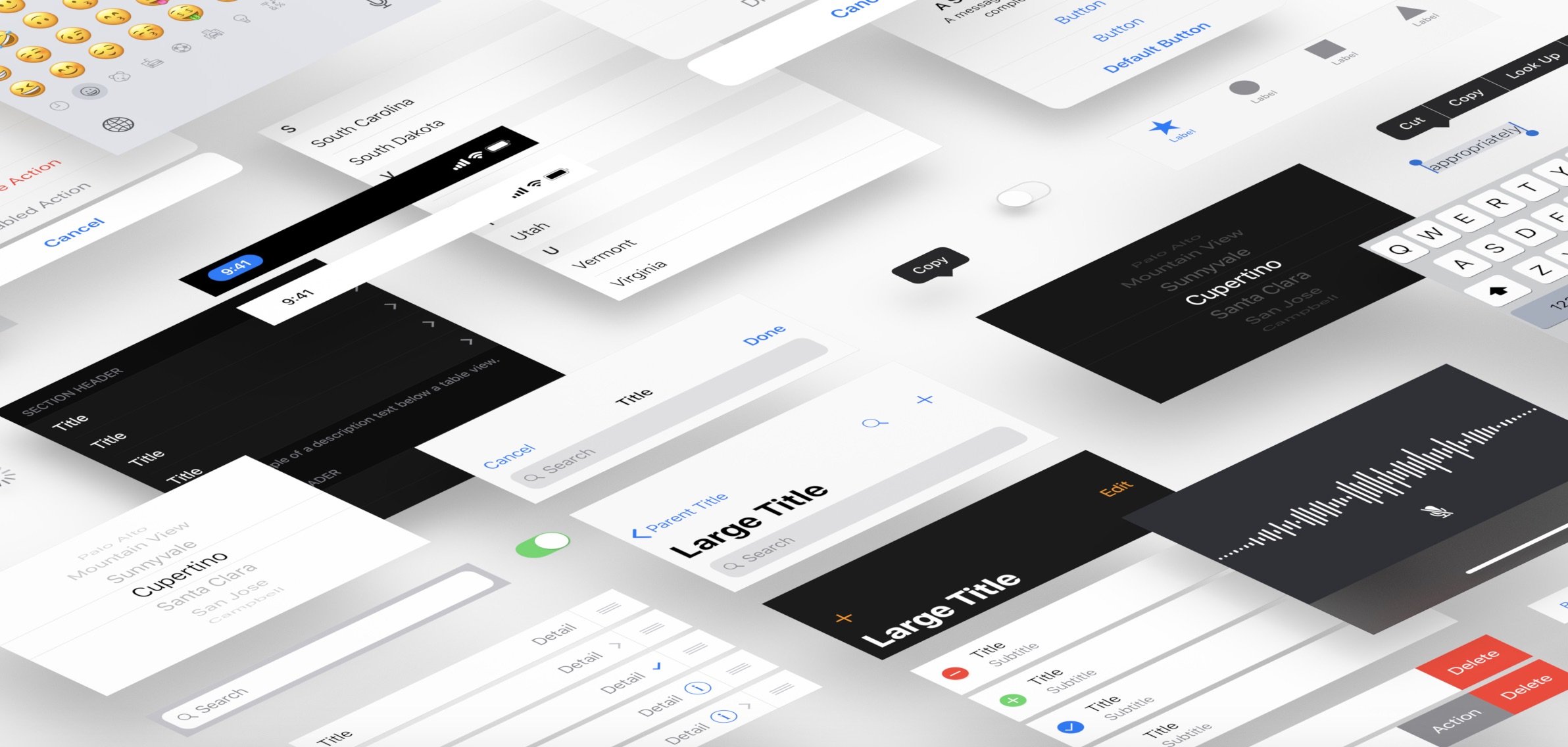
Modernizing a design system – Apple
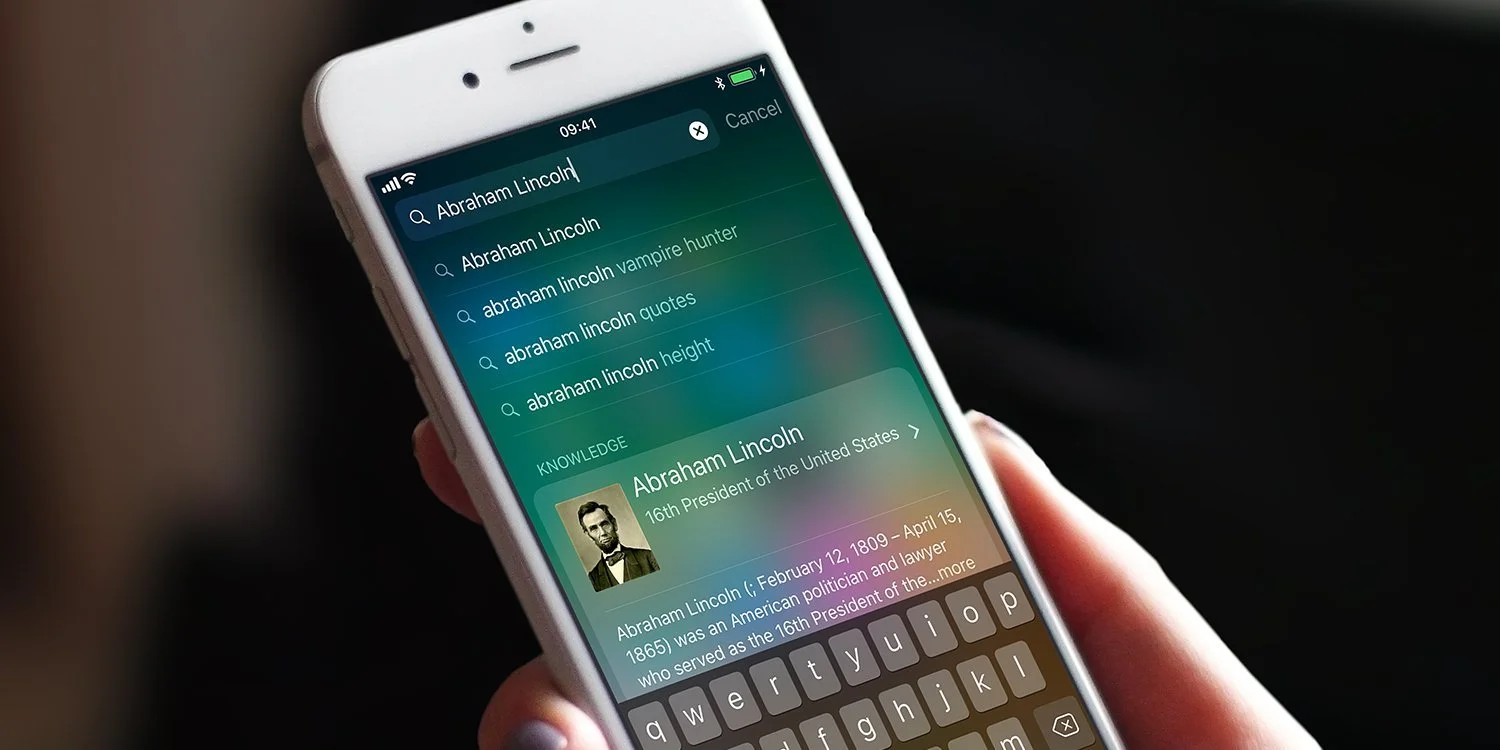
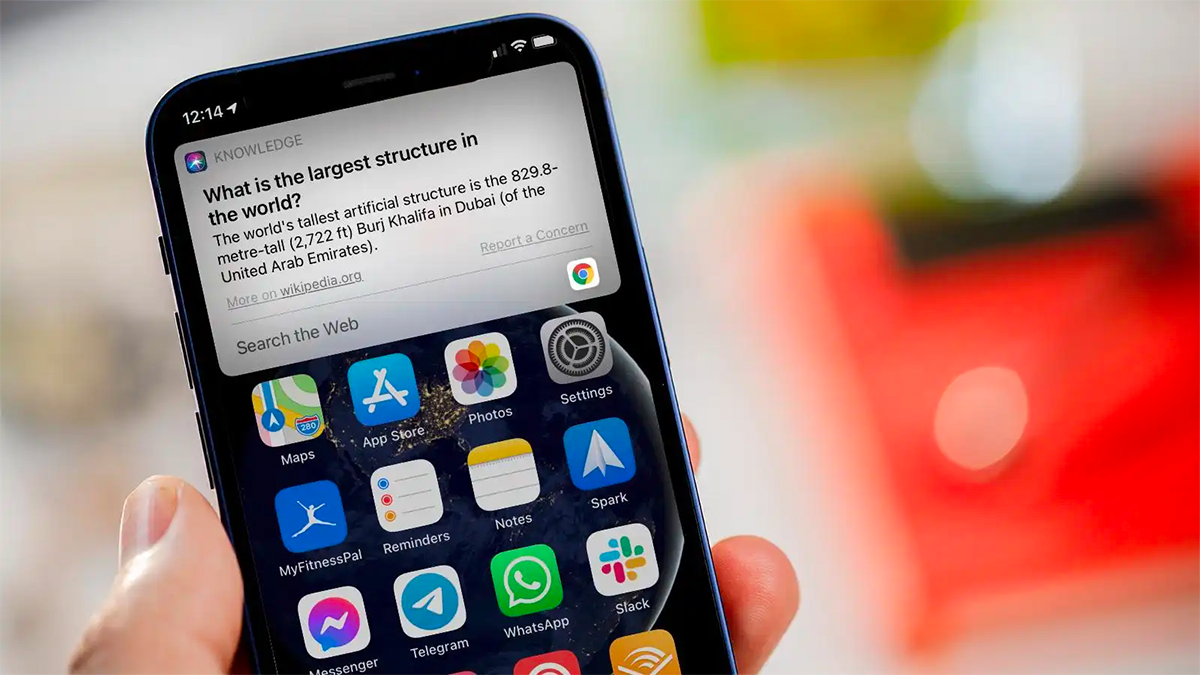
Nearly a decade on Apple's Human Interface team, contributing to products used daily by millions — covering Siri, Spotlight, Apple Music, Messages, and Apple TV. Most of that work sits at the systems level, rarely appearing as a single feature but instead shaping interaction patterns across the platform as a whole.
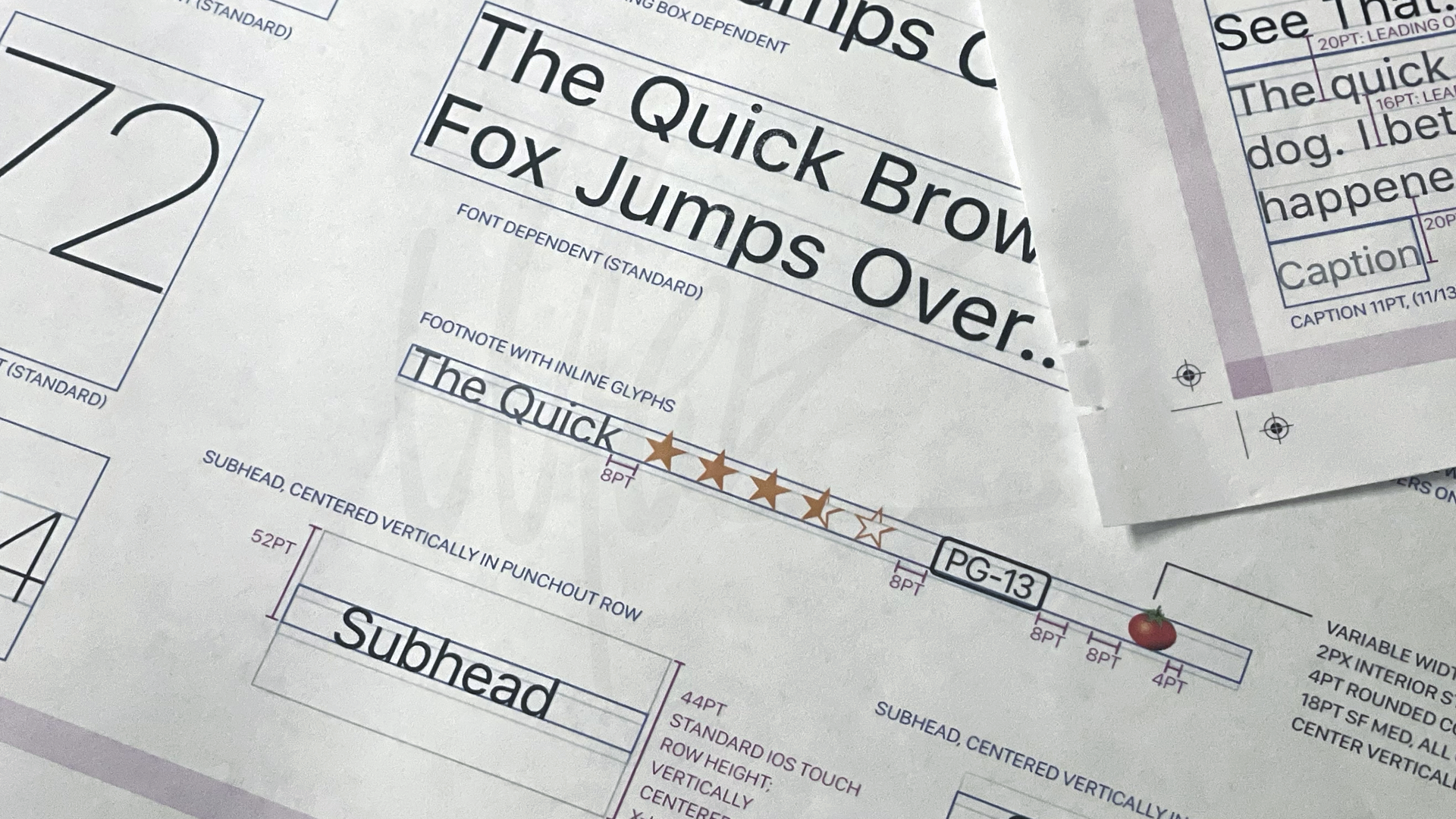
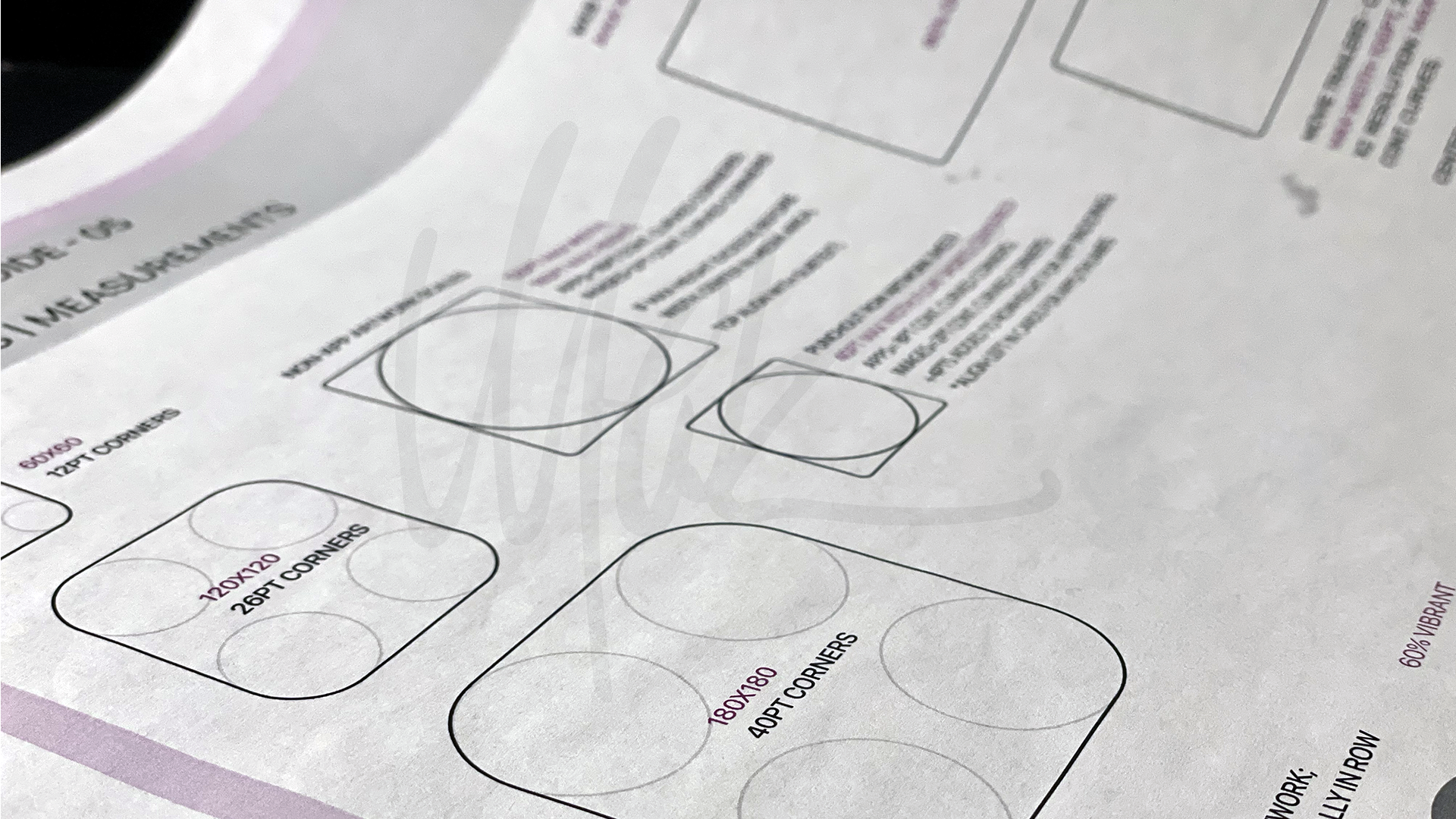
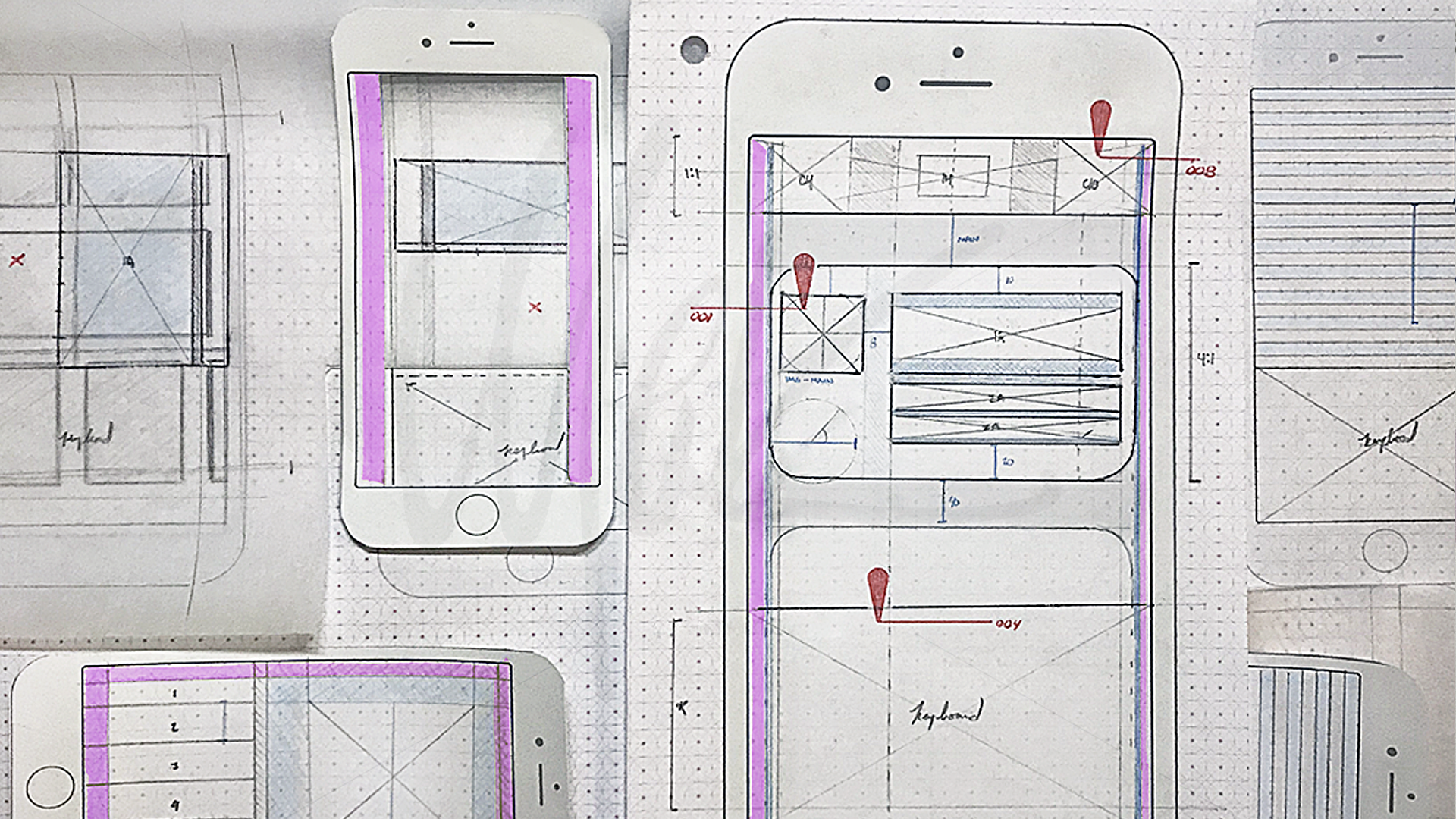
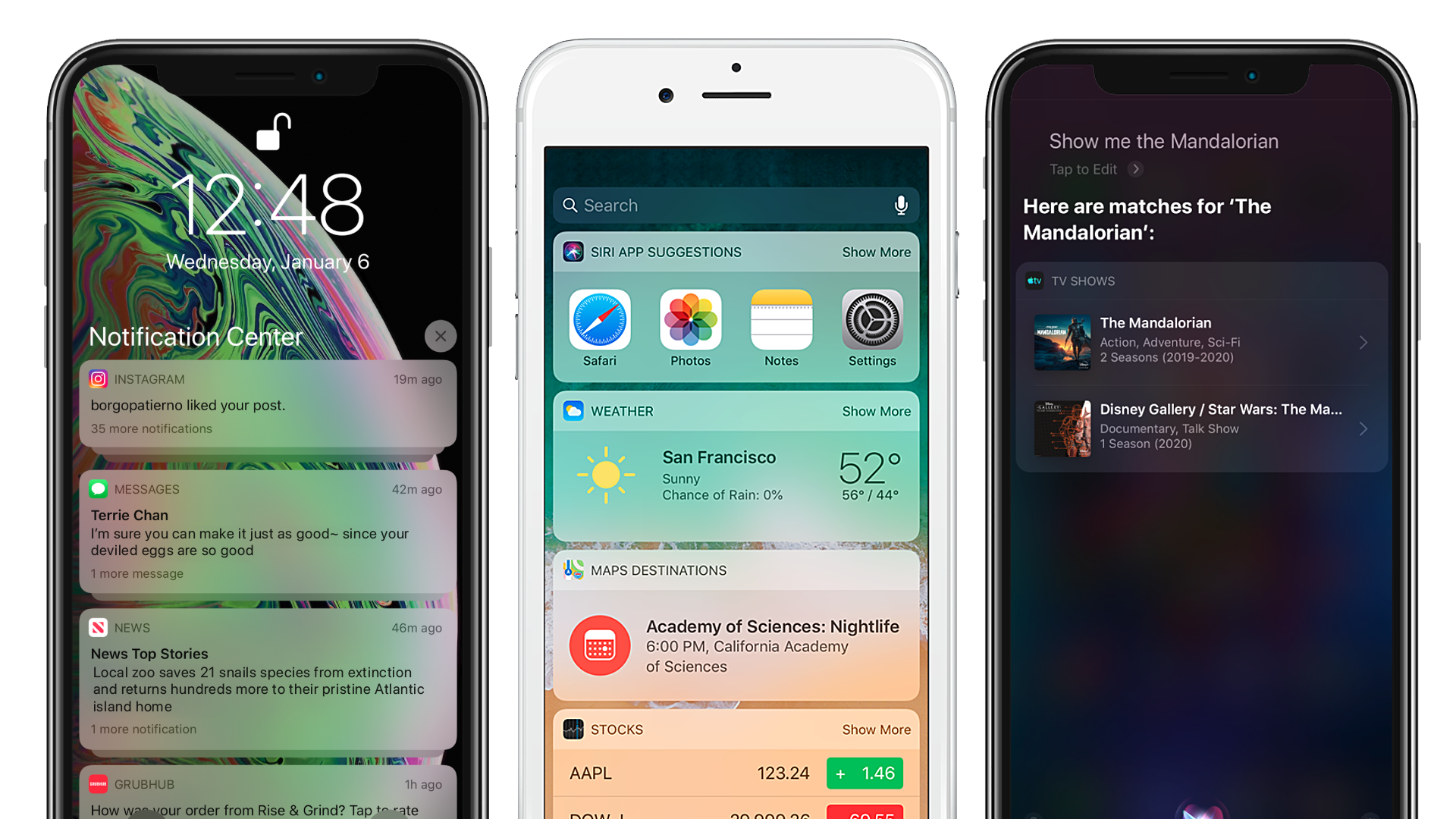
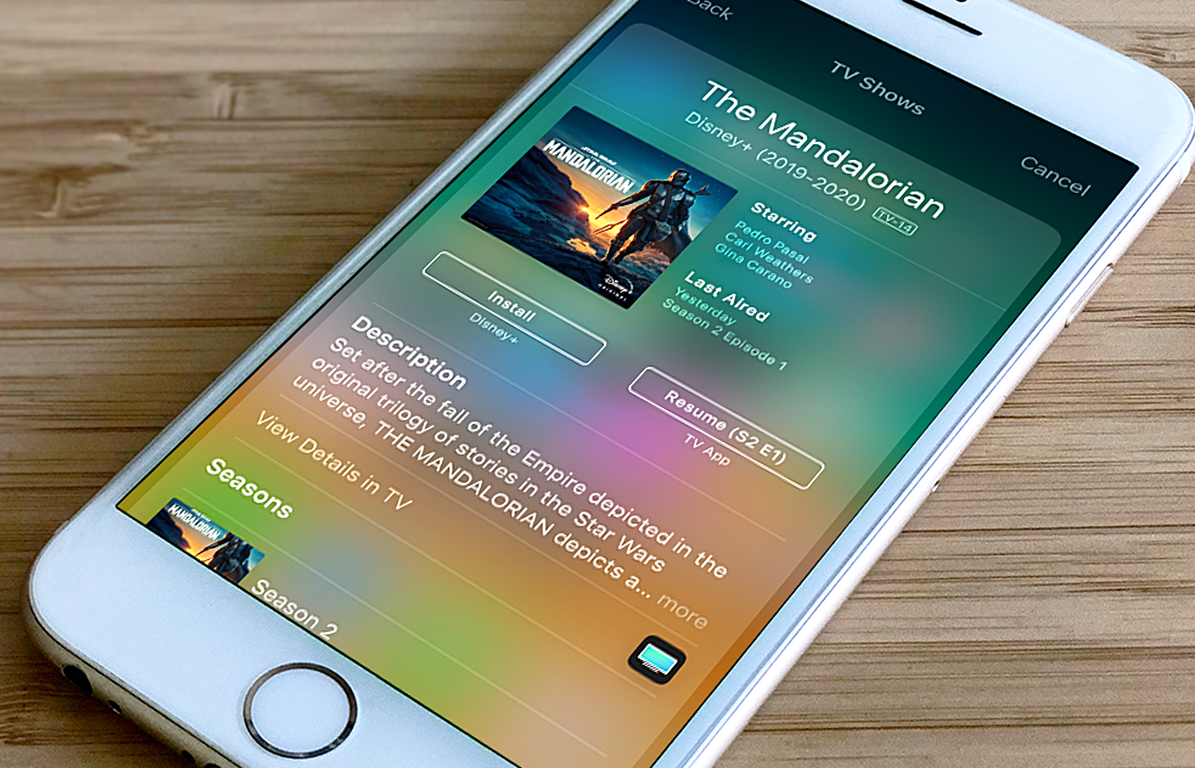
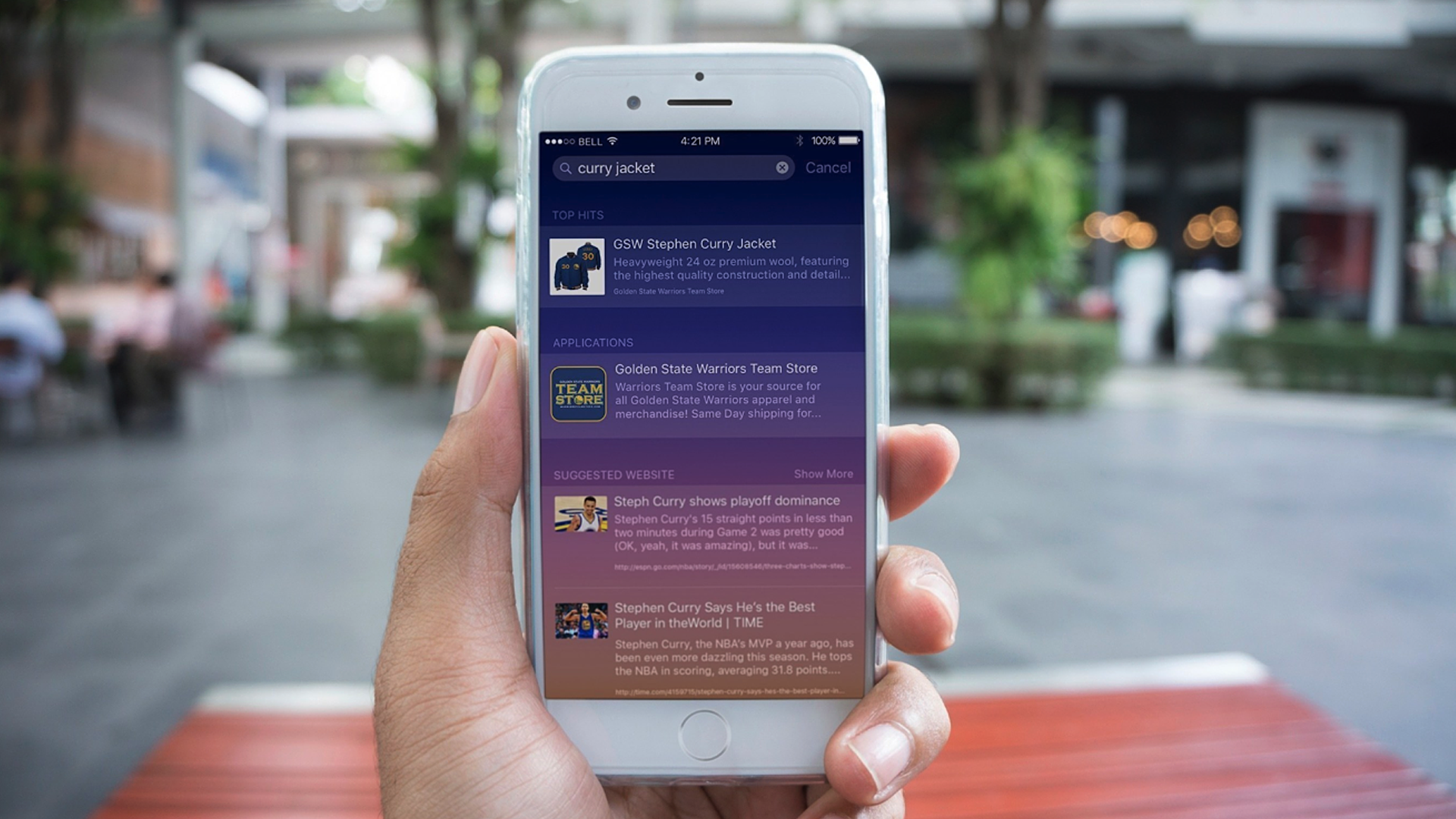
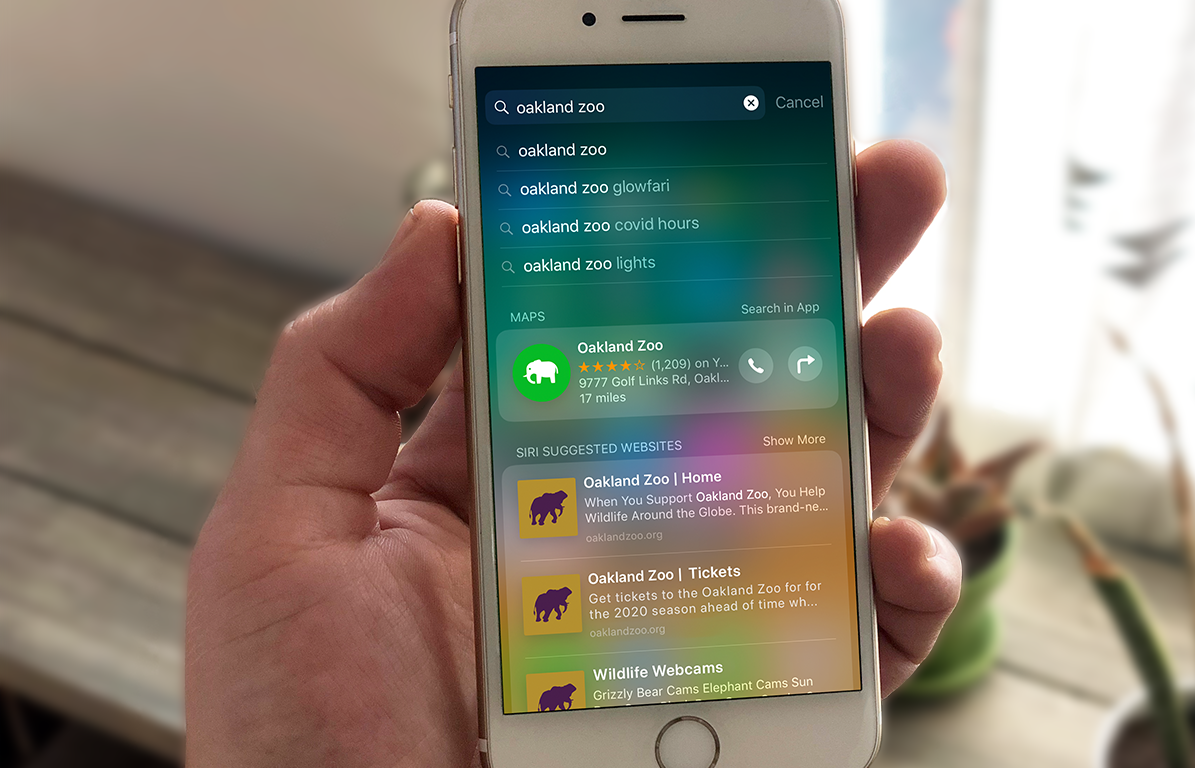
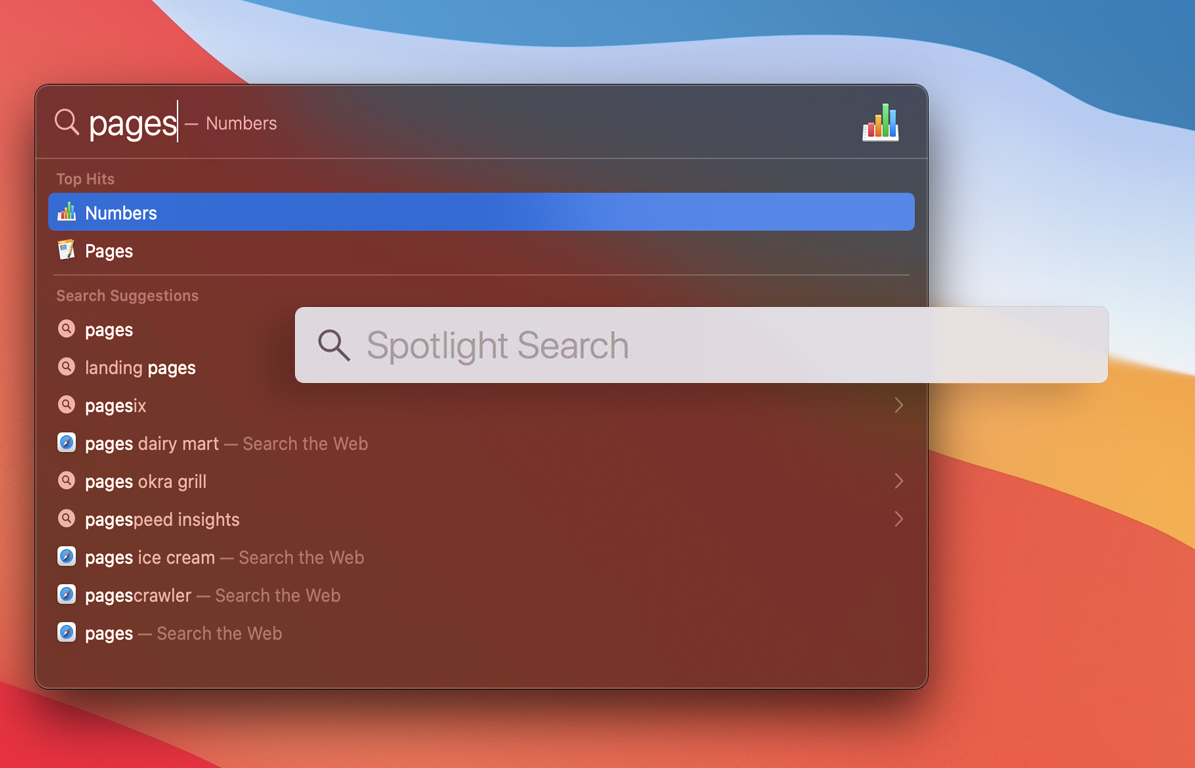
Joined in 2013, as part of Apple's acquisition of Topsy Labs, began the rebuild of foundational search from a standalone feature into a true OS-level system. The goal was to combine a person's own data with results from the open web, rank them together, and surface the right one without a full query or an app launch. It required a strong series of templates flexible enough to support hundreds of apps, media types, and deep integrations, presented within one consistent design language.
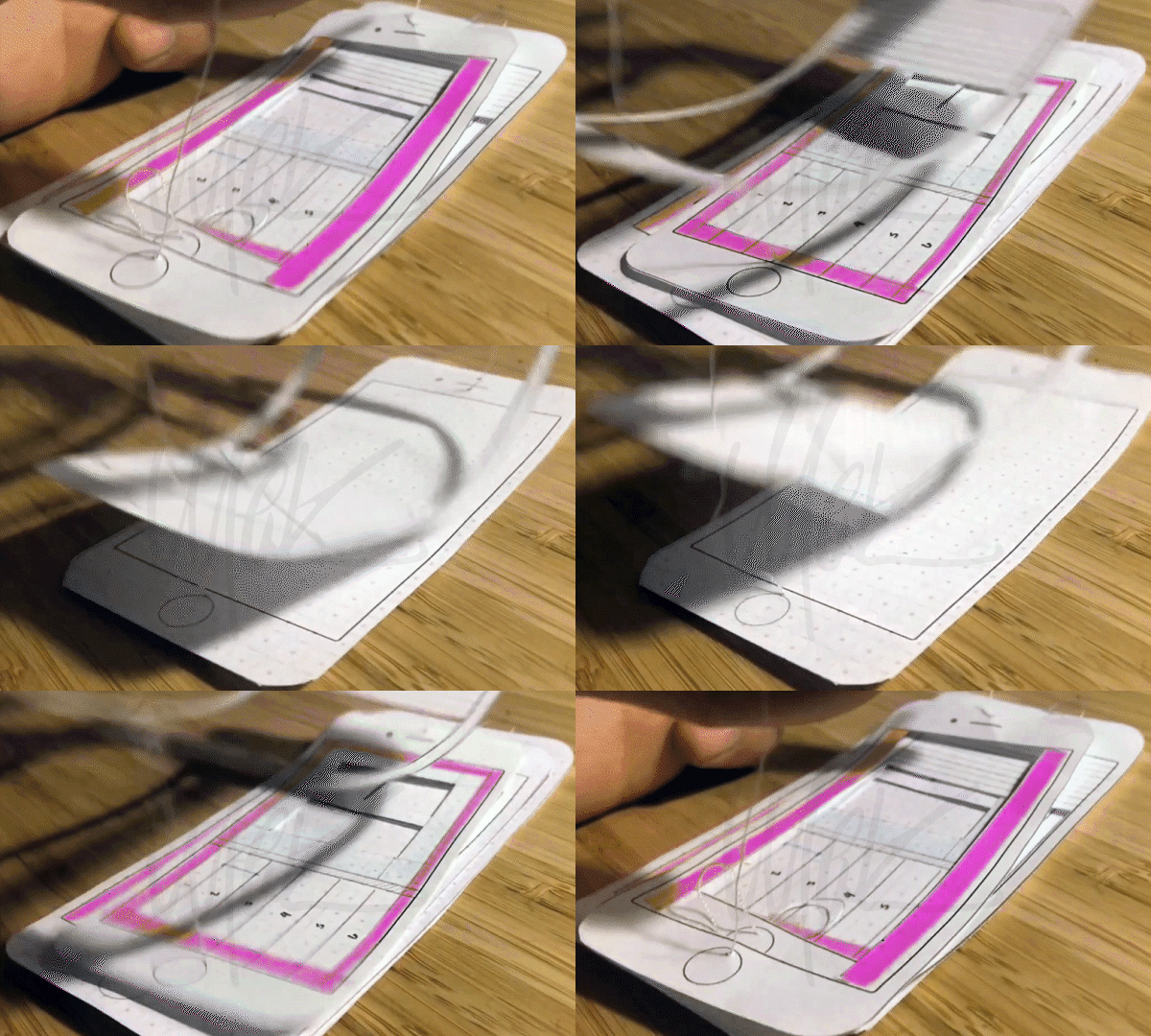
Later led product design in applying the newly developed flat aesthetic, interactivity, simplified geometry, and new studies in materials and spatial layouts — into search, Siri and Spotlight, and adapting that same visual language to macOS with the Yosemite redesign, moving deeper into the OS-level design system itself, building to give interfaces a more physical, dimensional quality.
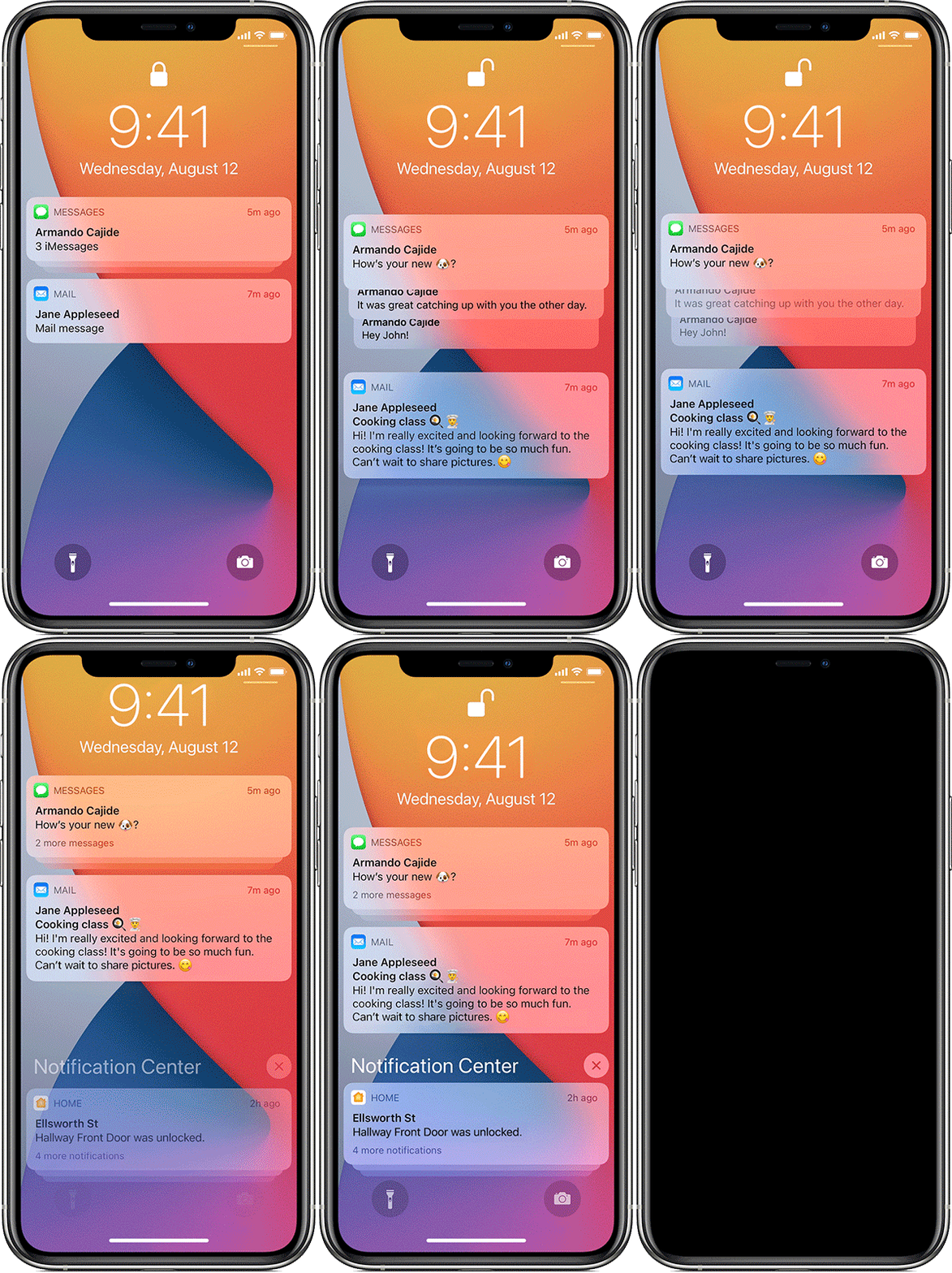
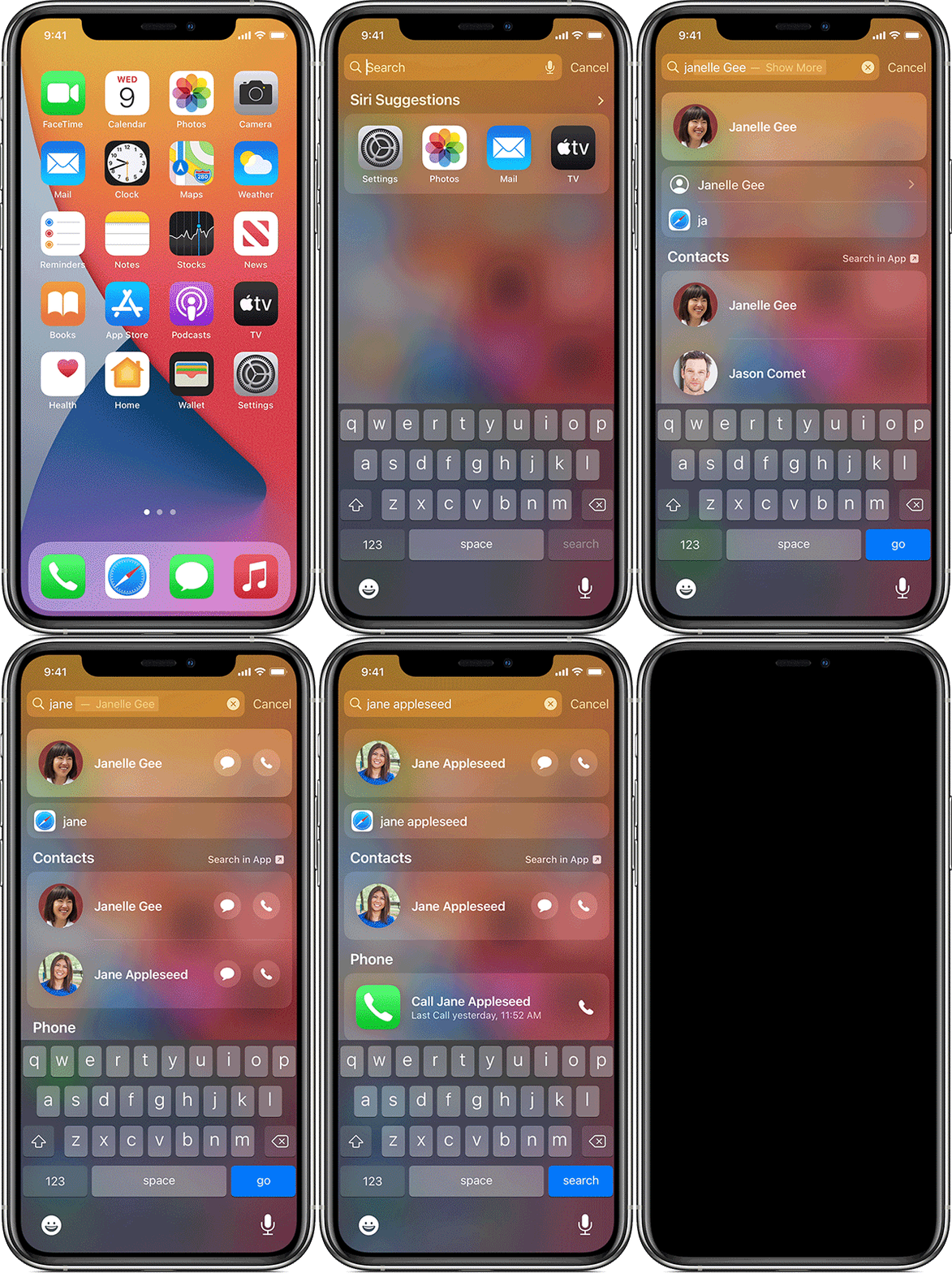
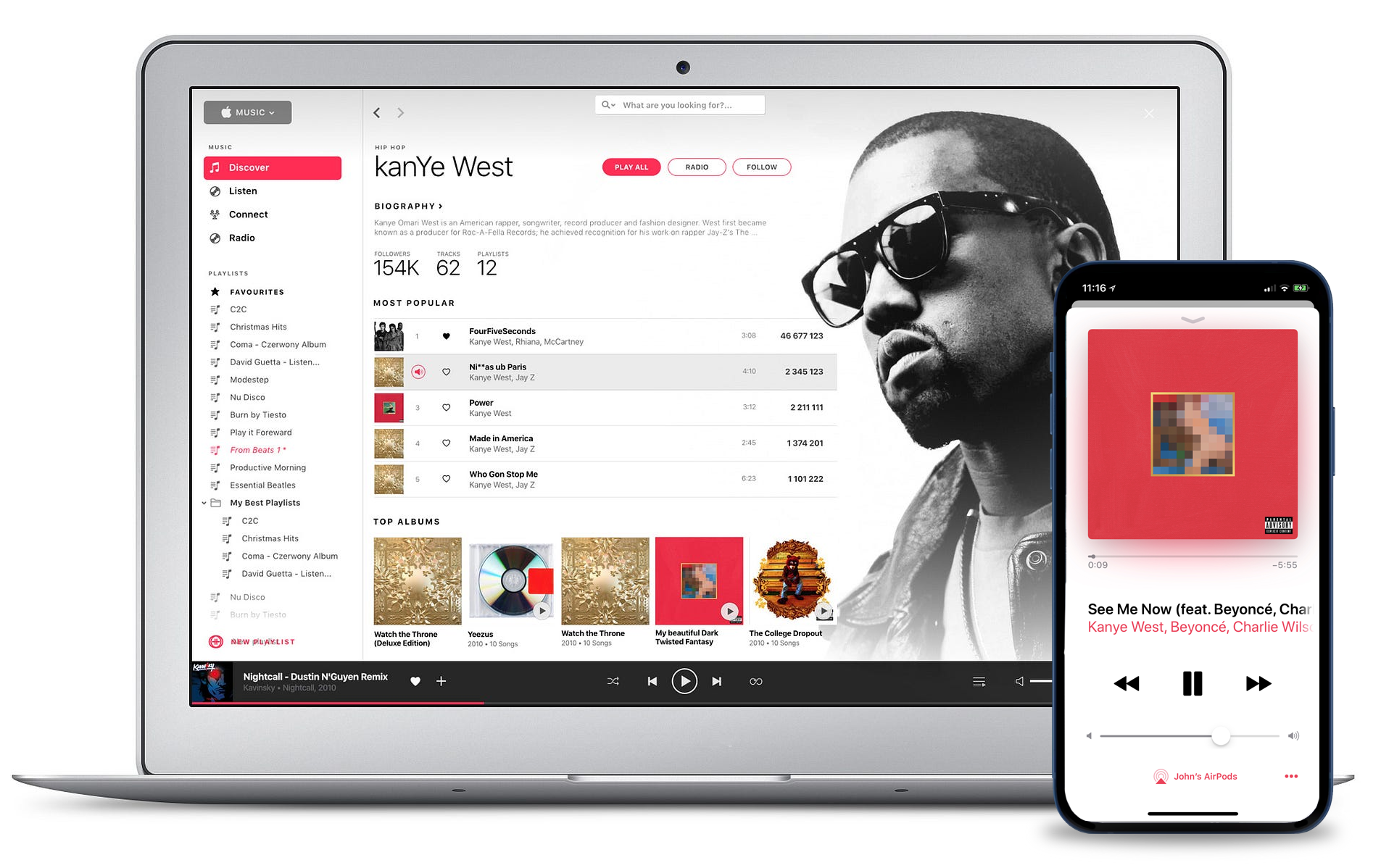
Apple Music production design
Joining the Apple Music Production team, work centered on unifying design across Apple's media platforms as part of the same Human Interface push already underway — including a new modernized Apple TV, launched alongside Apple Music through the same effort. Partnered with Marcom's marketing team to carry both into their public launch campaigns.
Media search became one of the most deeply integrated categories in that effort, surfacing artist and track results directly inside OS-level search rather than requiring a separate app. On the product side, this meant designing the artist-page layout and the grid system used across Apple Music — including the featured placements used for artist takeovers, where an artist's own artwork became part of the interface itself.
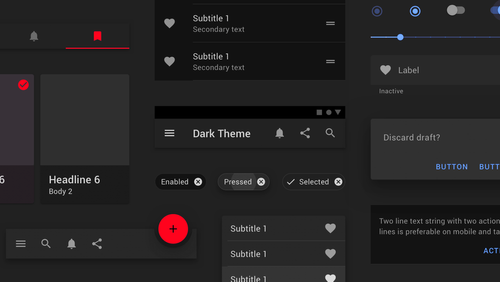
YouTube Live
Joined the YouTube Live team in 2021, right as live-streaming was shifting from a secondary feature into one of the platform's core priorities — a shift the pandemic pushed forward faster than anyone expected. Design-system librarian for YouTube's Material Design system, promoted within two years to interaction design lead incorporating Live Chat, hardware integrations, safety, and accessibility in live creation, partnering with the art department on multiple interactive “magic moments.”
Materials System Design, Live (2022)
A native space to create, integrate, and earn
As live-streaming was still finding its footing through fragmented tools and separate setups, YouTube introduced the Live Control Room — a purpose-built destination that brought everything creators needed into one native space inside the platform they already used, and a small suite of creator tools to support it. This was an owned product, scaling to world-wide live coverage including sporting events and presidential debates.
It felt native because it was, built for the moment live-streaming moved from novelty to everyday creation. It lowered the technical barrier and raised the creative ceiling: creators could focus on content and community instead of the plumbing, and start earning from the live energy they generated. Get started live-streaming with YouTube.
Live Control Room Product Demo, YouTube Live (2021)
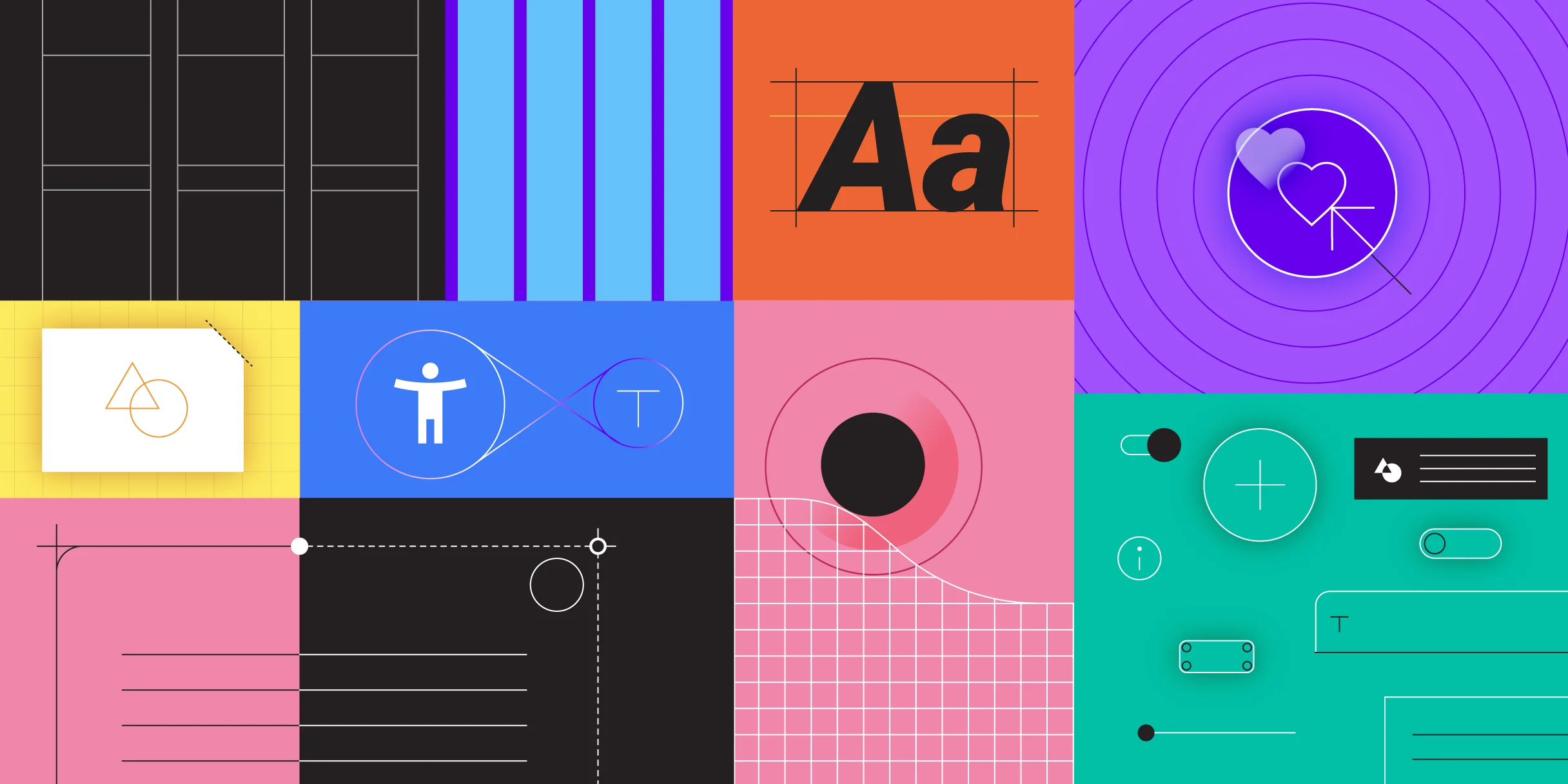
Hardware & streaming integrations
Led integrations of hardware and third-party tools into Live Control Room, extending it beyond the browser and into the physical setups creators were already using — including the Elgato Stream Deck, OBS Studio, physical extensions of YouTube's live creator tools, and help creators earn without the effort of stream management across tools. That was the promise from the start — a true home base on the platform, designed so anyone with an idea and a connection could create, connect, and get paid.
Live Control Room Steam Integrations (2022)
"Our design should never appear as if by magic. We should always let the viewer know that behind every expression is a real person."
YouTube Standards 001, creative (2023)
By the time YouTube formalized its modernized aesthetic company-wide, the live team's own visual language for chat and creator tools — including new, more expressive Live Chat, custom created platform emoji, and branded artwork made specifically for live — reflected the same thinking the rest of the platform was converging on. The central belief has stayed influential: design should never feel like magic, and should always read as the work of real people, and is featured in the Core77 Design Award Winning art department publication of “Standards 001.”
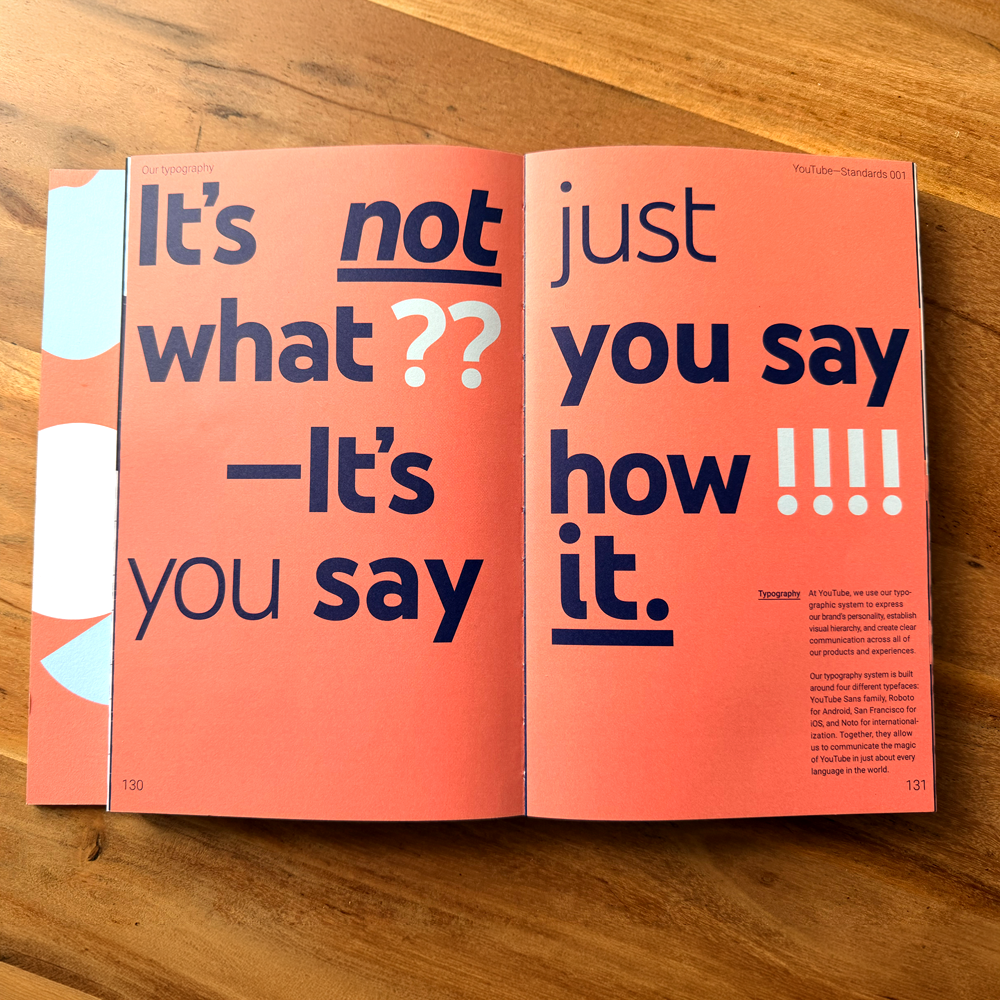
Personality
A design system solves visual problems at scale. A great one is also distinct enough to be recognized even with the logo removed — establishing a personality that can be felt throughout.
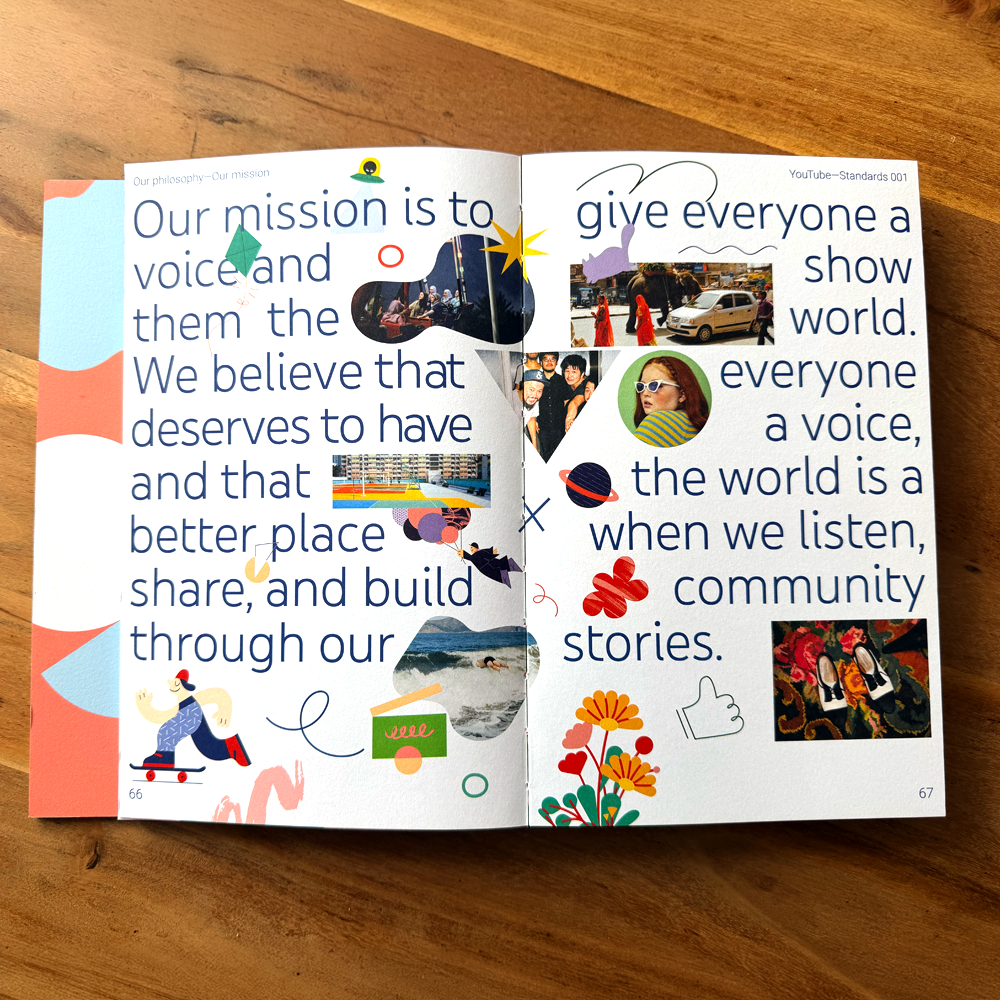
The mission
Some of the most consequential decisions in design weren't about usability at all — they were about giving creators a platform to be heard safely, standing design constraint, not an afterthought.
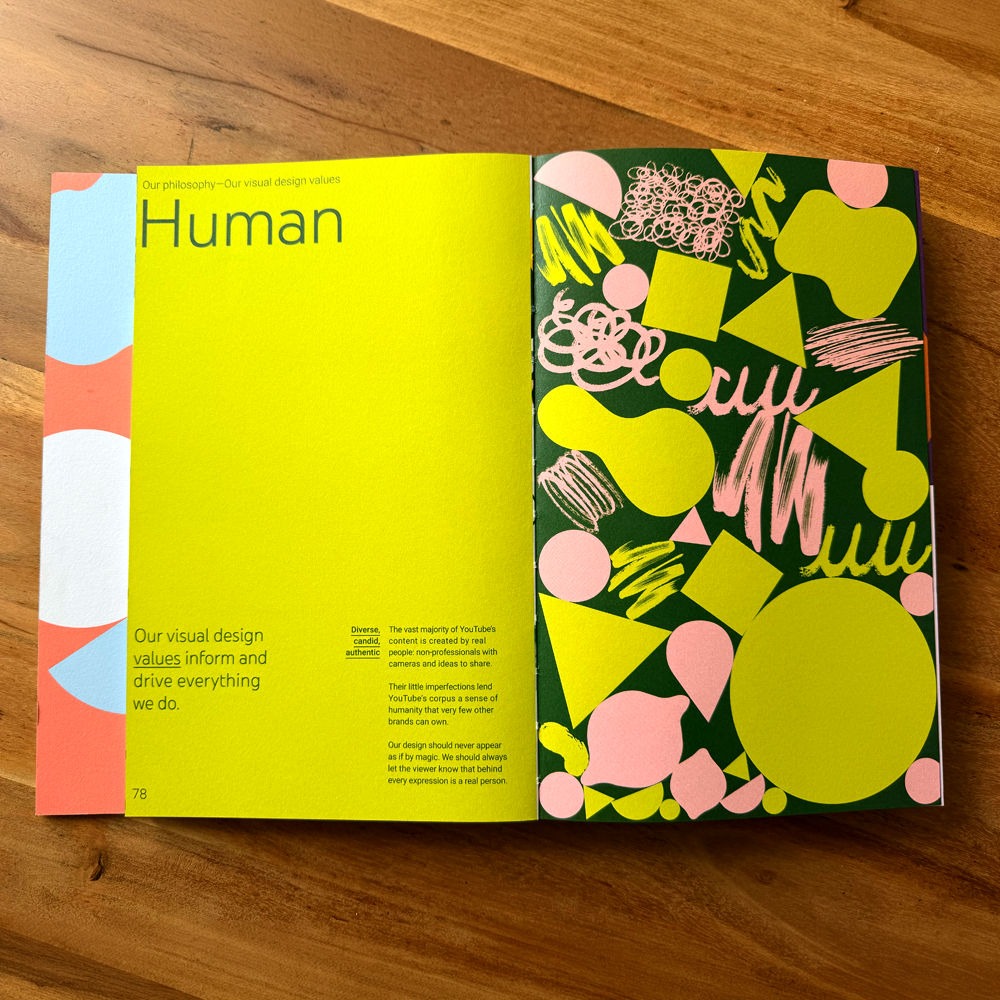
Human-centric
Whether the audience is a viewer, a creator, or an algorithm acting on either one's behalf, the work still has to answer to a human outcome.
Founding creative at Together AI
Joined Together AI in early 2023 as its founding product designer — before a public interface, a brand, or much certainty that AI infrastructure would become something people even cared about. The role went well past interface design: it meant establishing the earliest visual language and connecting with a new hungry developer audience.
Those early foundation carried the company through years of growth — the same through line running from the initial design system all the way to the events and large-scale activations. As the company grew, focus shifted from building the system itself to building affinity around it.
Together AI rebranding (2026)
Leading product UI/UX
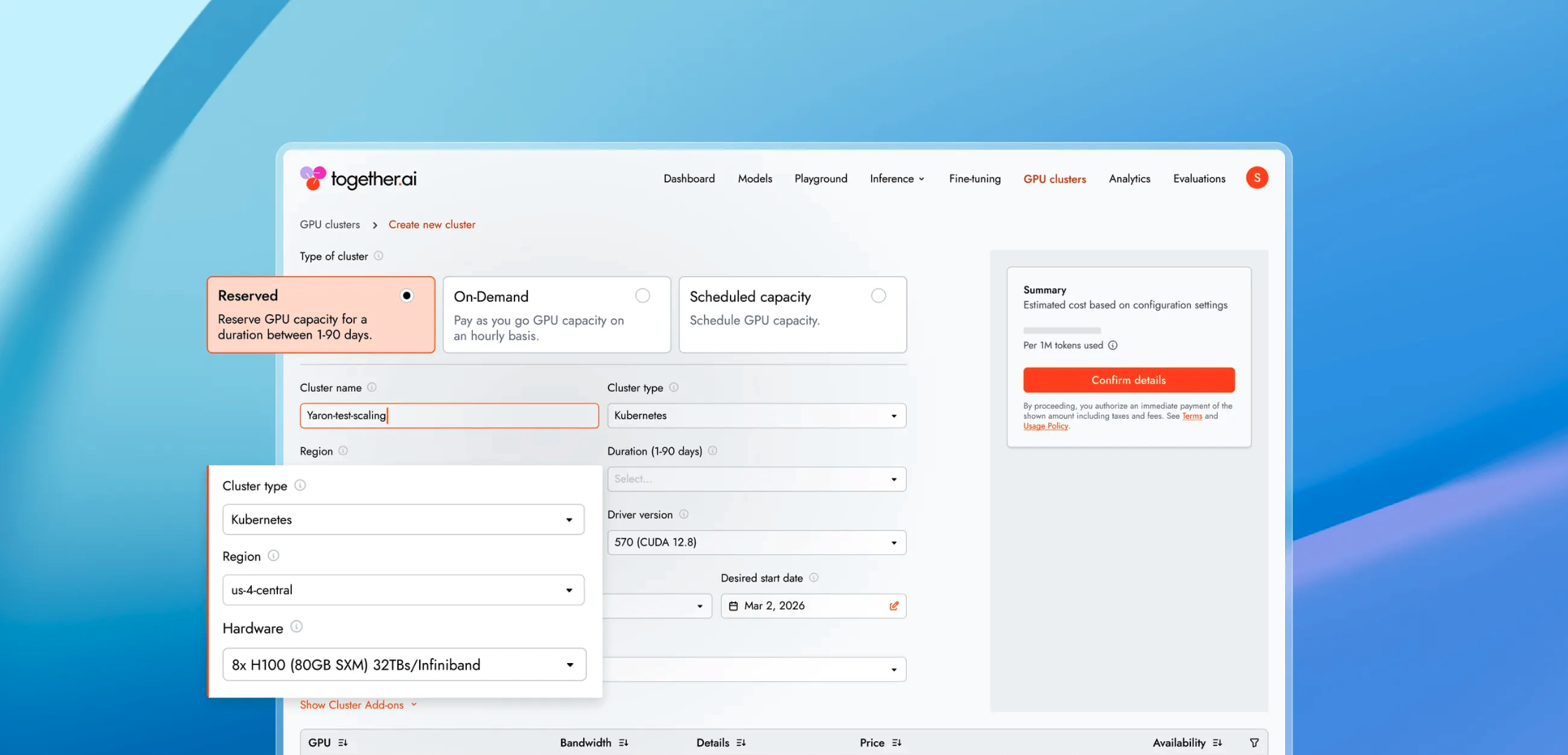
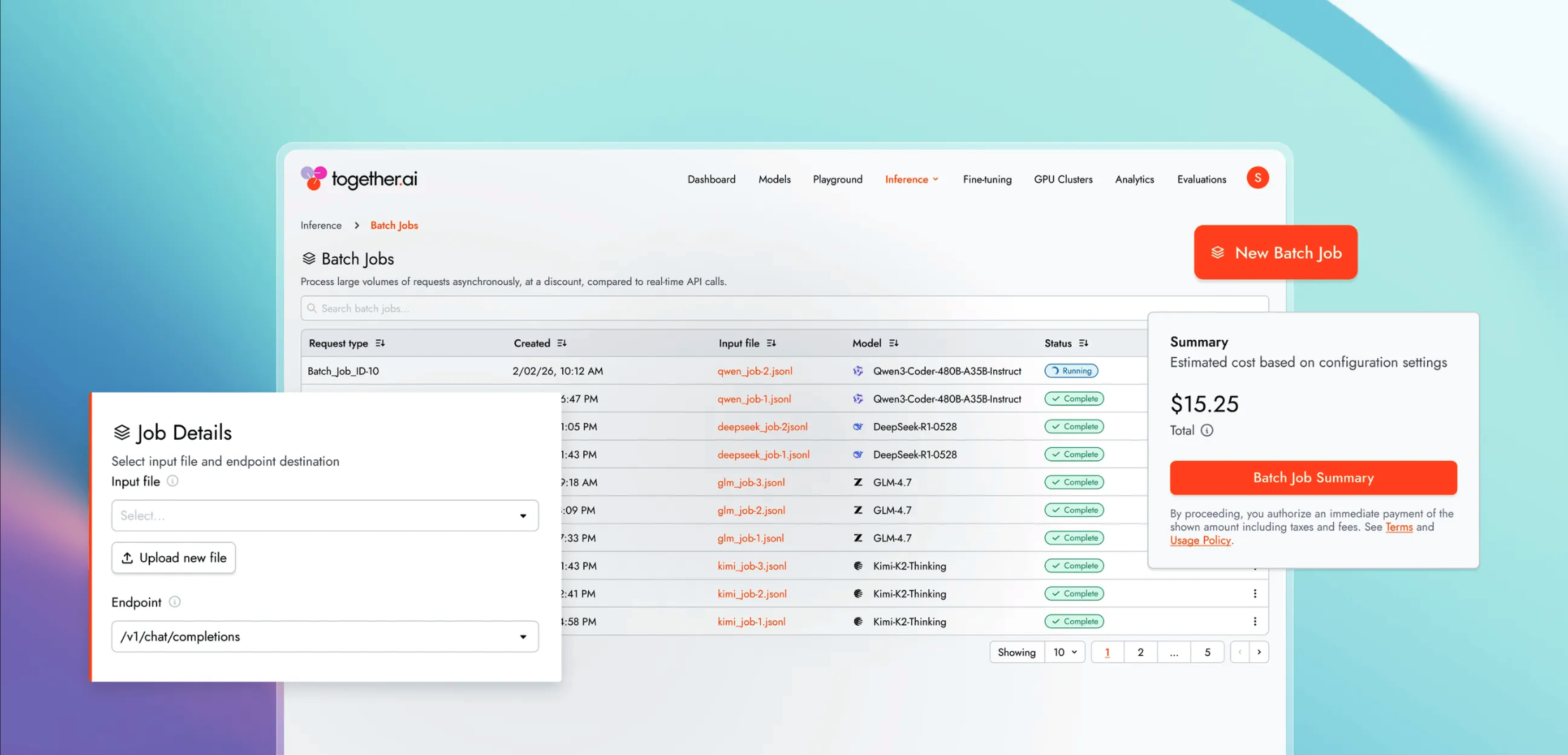
Establishing Product Design Lead meant creating a full UI kit and series of UX principles from scratch, then pivoting (being promoted to) Foundations Designer, a role focused on maintaining the core system frameworks and incorporating the brand across surfaces as the company scales. The current product interface reflects that same foundation — establishing the core services behind the AI-native cloud platform across the webUI, CLI, and API alike, built to make otherwise technical, cost-sensitive developer decisions feel simple. As new research unlocks new capabilities, the interface is built to keep pace with an evolving developer workflow. Sign up to get started.
Together AI Product UI Walkthrough (2026)
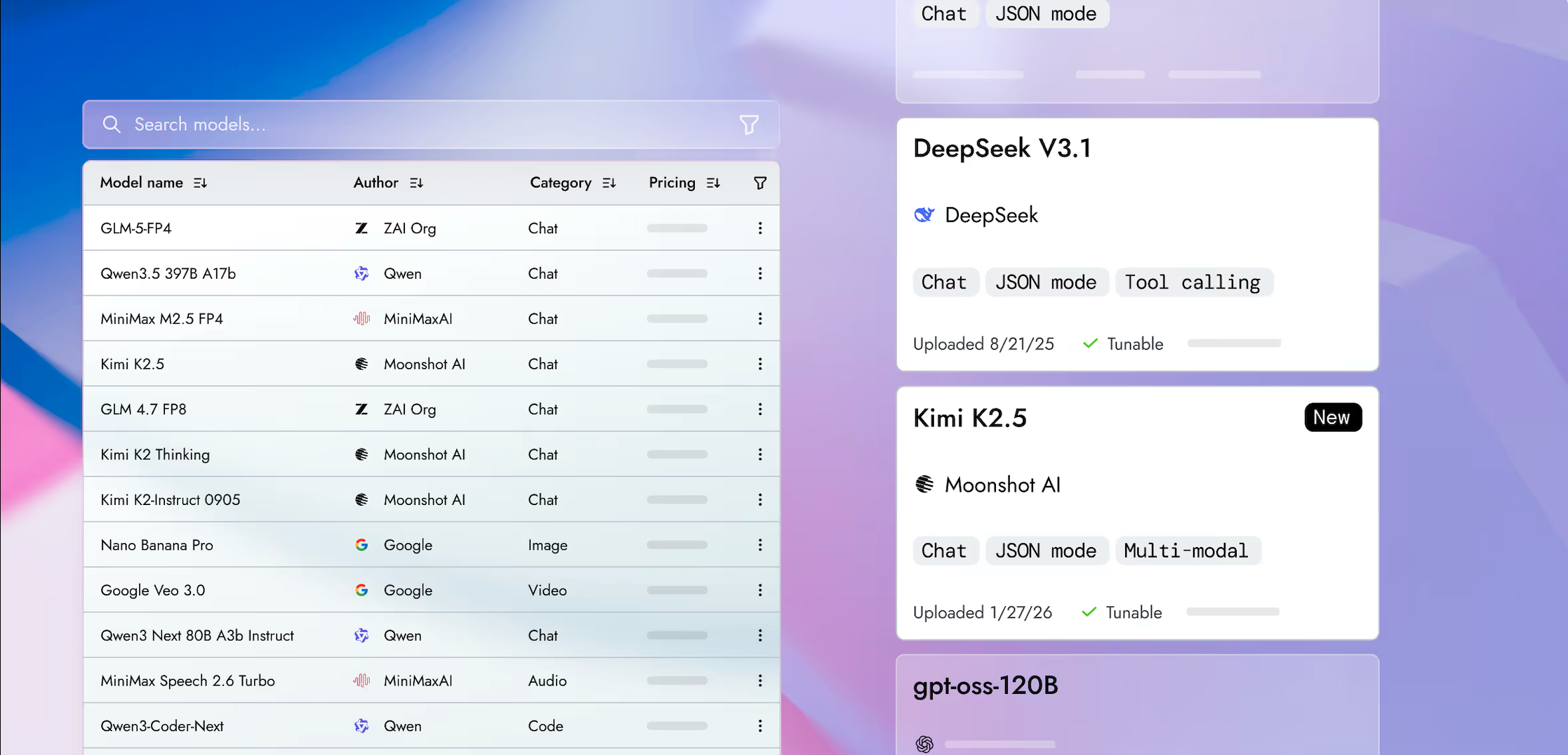
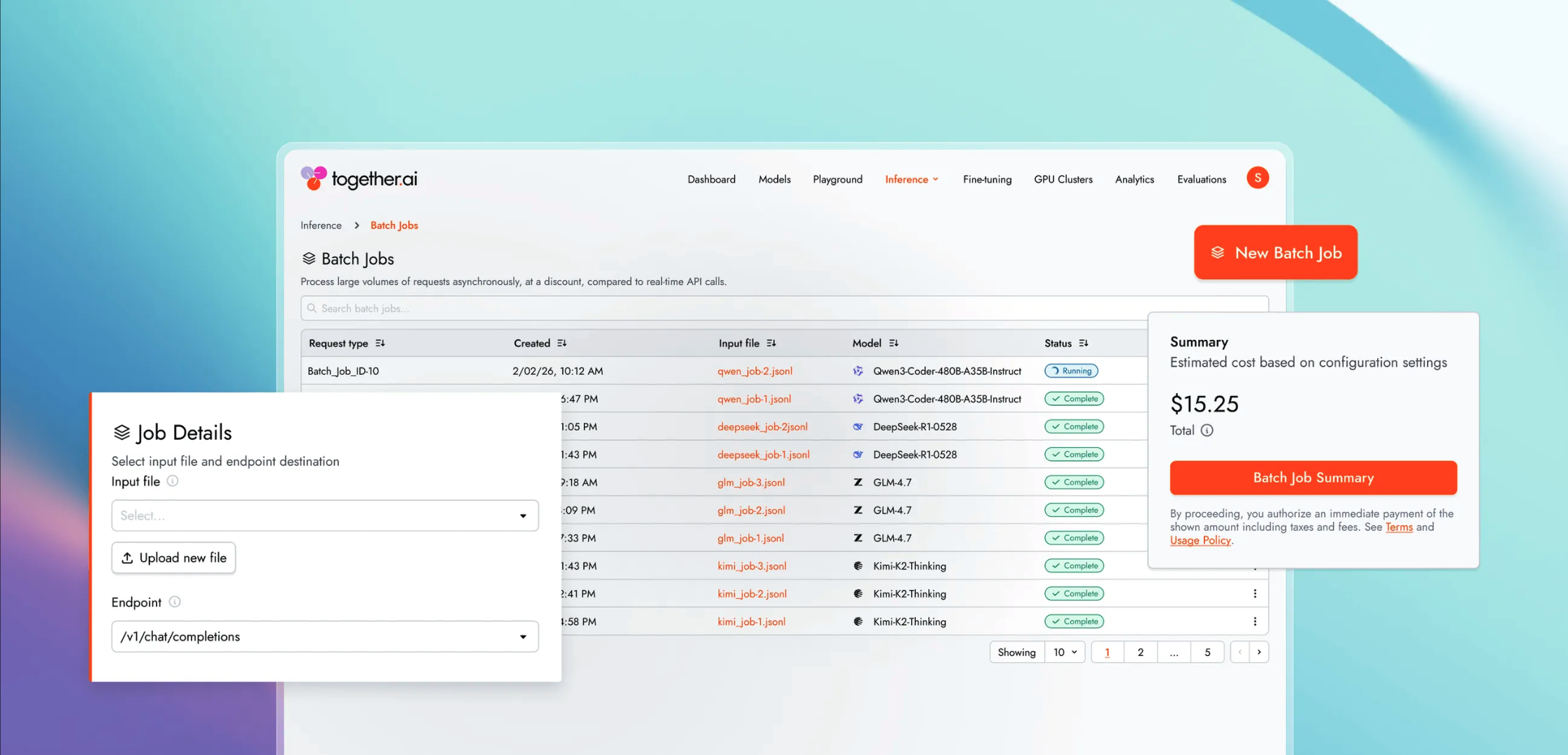
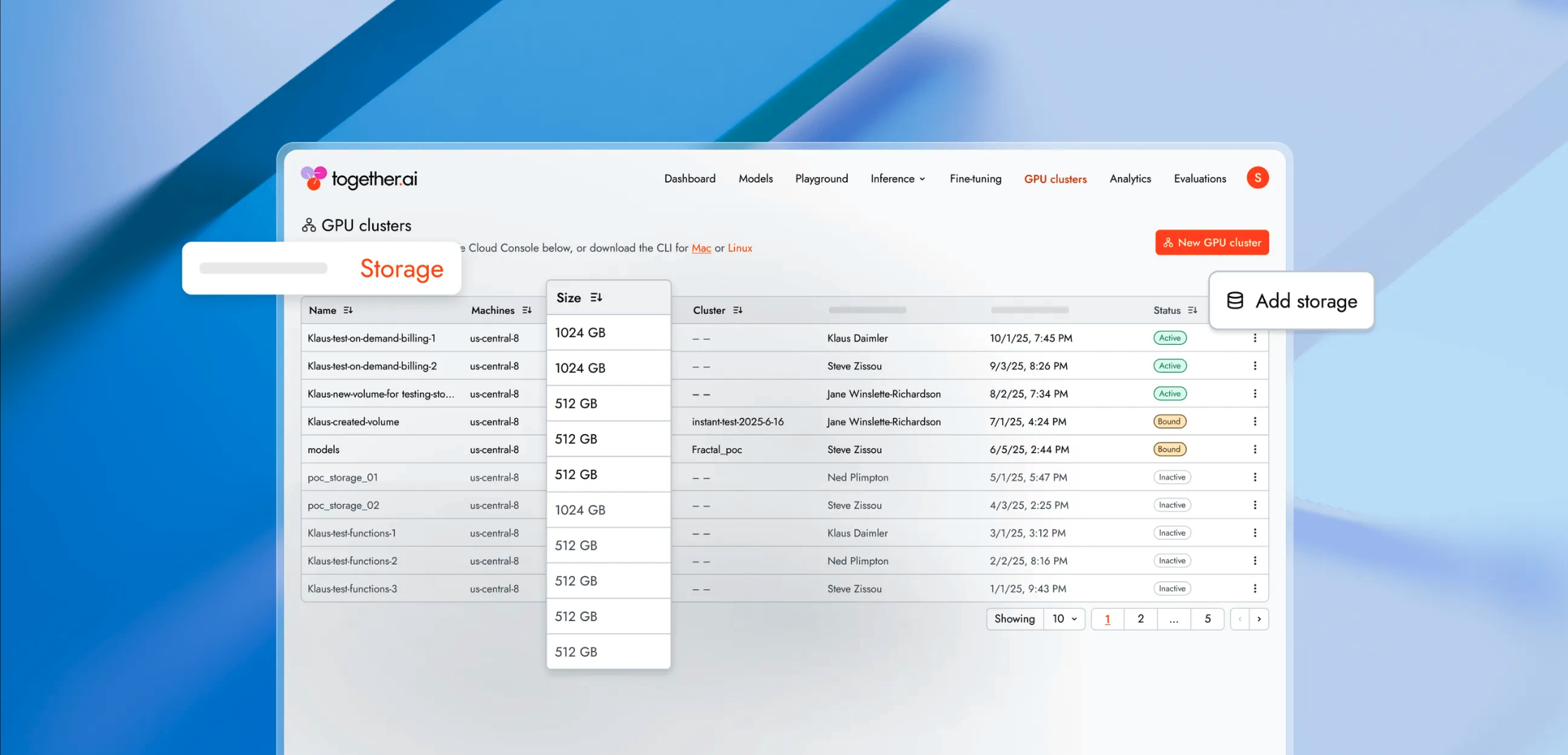
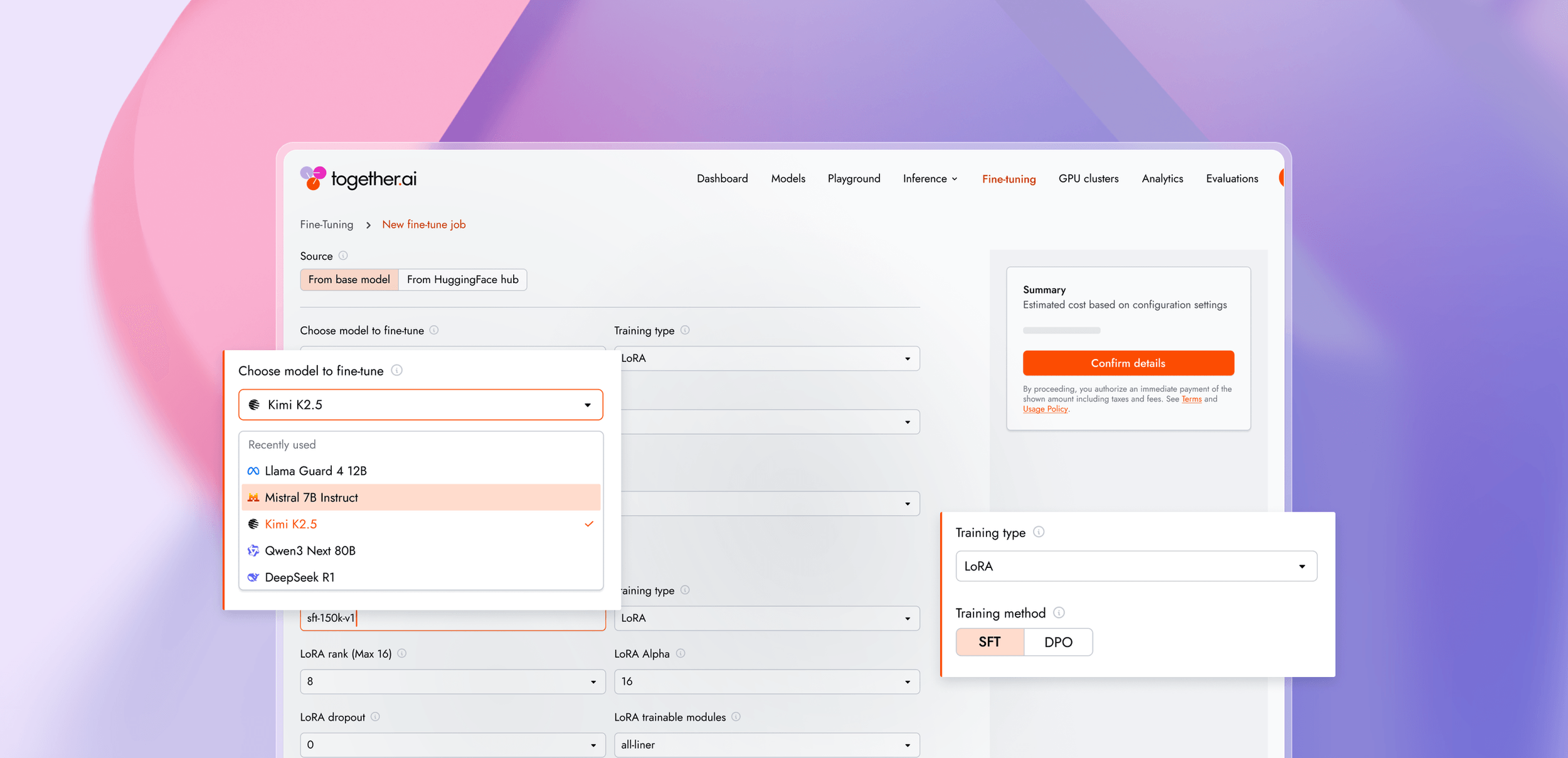
Building a brand
In early 2026, working alongside Pentagram and internal marketing, built an identity meant to stand apart from the droves of San Francisco based AI startups. The goal wasn't distinctiveness for its own sake — it was meaning: human, connected, and honest about being a research lab building infrastructure rather than a lifestyle brand. The visual system reads as precision engineering rendered as art — modular, rule-based primitives that combine like machined parts — earning its personality through systematic precision, not ornament.
Getting that identity in front of an audience large enough to be noticed meant carrying it past the product and into go-to-market. From there, the same system extended into broader materials, live events, and sales enablement, building brand affinity and conceptual depth.
Branding & GTM Updates (2026)
Being human in 2026
Much of the Foundations Design role now means managing agentic creative workflows — designing the systems and MCPs that let AI agents act on a brand's behalf, not just the interfaces themselves. That raises a genuinely new version of an old question: what's actually left for a designer to do, when the tool in front of them can generate, iterate, and integrate on its own.
The answer hasn't changed as much as the tools have. Foundational decisions — what a brand looks like, what an agent is allowed to touch, what "correct" even means for a given system — still belong to a person, not the model executing them. Master the tools, and they stop limiting what's possible: fluency turns a tool into an extension of an idea, not an obstacle to it.
There's a difference between using a design system and actually owning it. That kind of ownership only comes from having built one — architecting creative libraries, integrating MCPs, developing agentic generative pipelines from scratch, and knowing exactly why every piece fits.
Creative Agentic Pipelines Demo (2026)
Let’s talk shop
Years of hands-on craft, distilled into a way of working built to be owned rather than just followed — the kind of foundation that turns a component library into an actual creative culture, not just a set of assets. The journey matters – and collaboration is key!
There are a small series of workshops, design sessions, and demos available if you want to talk shop covering various topics including atomic design techniques, agentic creative workflows, and MCP generation pipelines. See client portal
Atomic Design & Foundations Workshop (2025)

3D design & game development
Max is a 3D artist and creative technologist, building physics experiments, playable games, product concepts, and 3D art — viewable across desktop, AR, and VR. The work draws heavily from the golden era of game development, using nostalgia as a lens for human-centric creativity in an increasingly automated field.
Every model is released free, downloadable and usable across any platform, surface, or software — a practice built on the belief that the future of creative tools should be open and shared. Get started trying the sandbox.